Required tools and exam fees can sit inside the cost of attendance, at amounts the school decides.
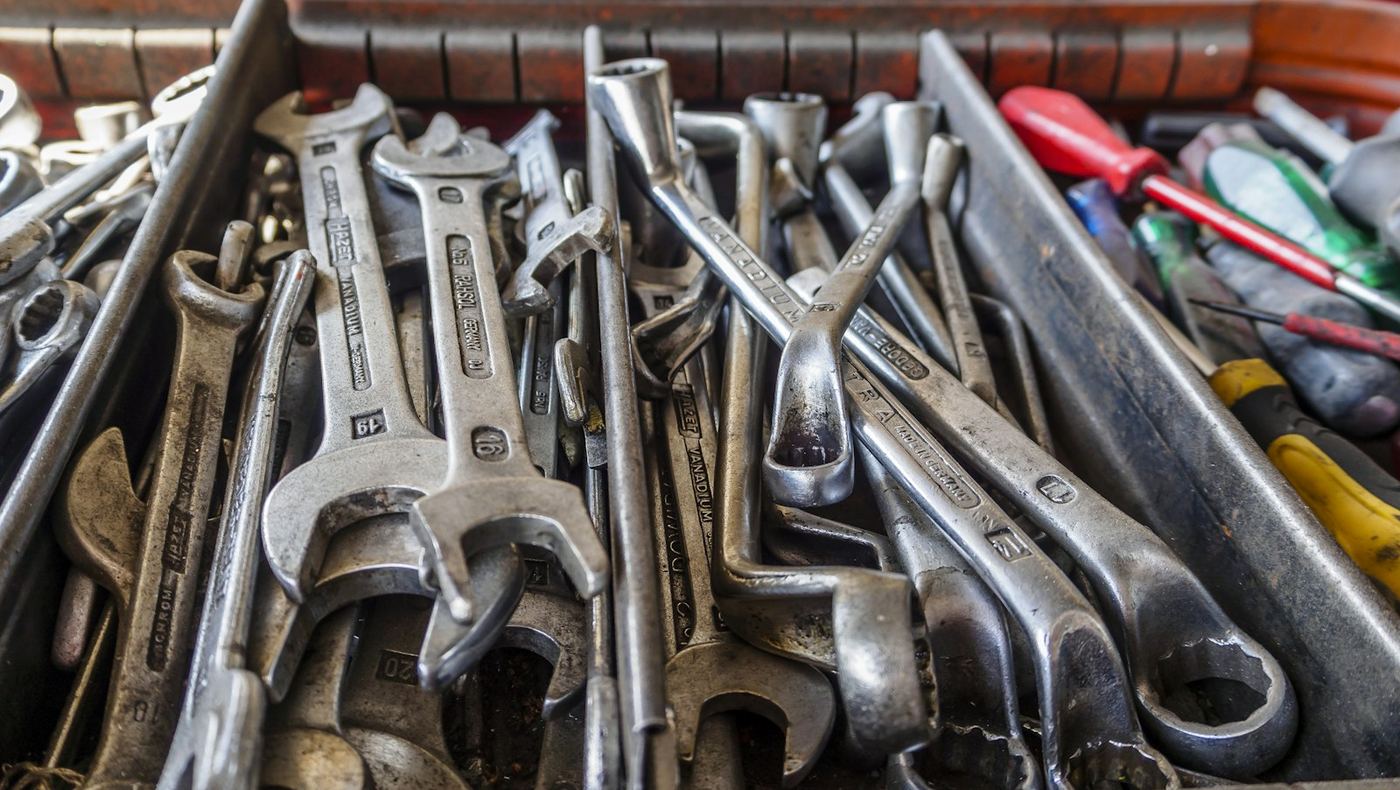
Trade programs often require gear that a lecture course never does: a tool set, a mannequin head, scrubs, boots or a welding hood. This shows how those costs fit into the budget the aid office uses, so you can plan for them before the first week of class.
What the cost of attendance can hold
Every school builds a cost of attendance for each program, and that figure caps how much aid you can receive. For trade programs it can include tools, kits, uniforms and the fees for a license or certification exam the program requires. The school sets the allowance for each item, and allowances differ from one school to the next.
The cost of attendance also covers housing, food and transportation, and those parts are estimates rather than bills. Ask the aid office for the itemized budget for your program so you can see which gear it expects you to buy.
Billed by the school or bought yourself
Some schools issue a kit on the first day and add it to your account, where grant money can be applied to it once you give permission. Others hand you a list and expect you to buy the items. Each approach has trade-offs, and the enrollment agreement usually says which one applies.
When the kit is billed, ask whether you can skip items you already own and what happens to the charge if you leave the program. When you buy your own, ask whether used tools are accepted and whether a Pell recipient expecting a refund can receive book and supply money by the seventh day of the payment period.
The school sets the allowance for each item, and allowances differ from one school to the next.
When the allowance falls short
A required item sometimes costs more than the school's allowance, especially in programs where the gear wears out. The aid office can review the budget for individual students and may raise an allowance when you show receipts for required items. That review is the office's decision, and documentation makes the request easier to judge.
Keep every receipt and the program's official supply list in one folder. The same papers help at tax time, since money spent on required supplies can count toward education tax benefits described in IRS Publication 970.
What to do this week
- Ask for the itemized budget for your program
- Find out whether the kit is billed or bought
- List the tools you already own
- Start a folder for supply receipts
Who to ask
The school's financial aid office
Hear when an article on trade and technical programs is added or revised.
Get updates on this path