Credit for prior learning shortens a program and saves grant years, even though aid does not pay for the credits themselves.
Use this if your work, military service or own study already covers material in your program. It explains the main ways colleges award credit for prior learning and what those credits mean for your grants and your progress.
Ways to earn credit for prior learning
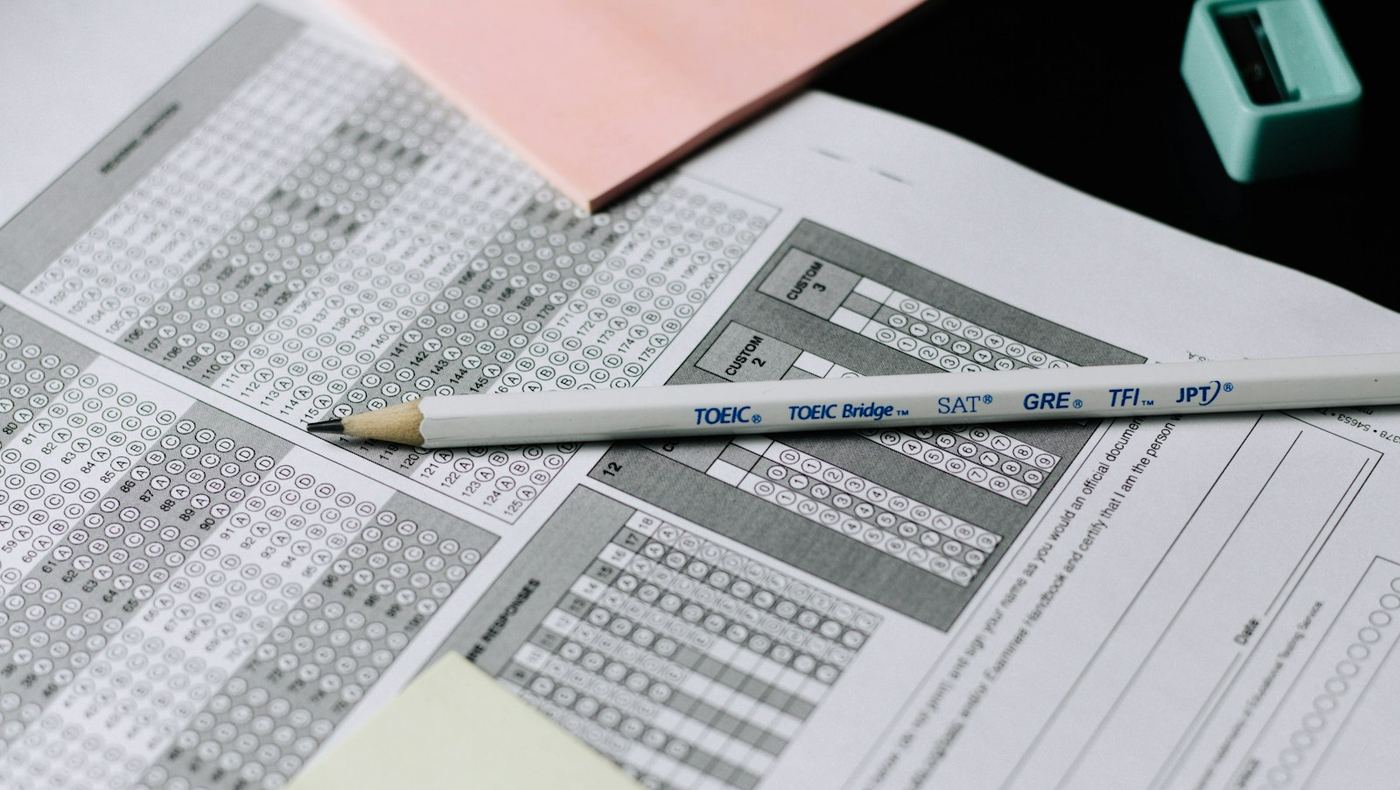
Colleges recognize prior learning in several ways. Standardized exams such as CLEP test what you know in a subject, and a passing score can replace a course when the college accepts that exam. Portfolio reviews let you document skills from work or training, which faculty then assess against a course's outcomes.
Military training and occupational experience can be reviewed for credit as well, usually from the Joint Services Transcript. Some colleges also review industry certifications and workplace training. Each college sets its own list of accepted exams, passing scores and credit limits, so the registrar or a prior learning office is the place to ask.
How it affects grant money
Credits earned by exam save time and money even though federal aid does not pay for them or count them toward your enrollment in the term you earn them. Each course you skip is one you no longer need to take and pay for.
Fewer remaining courses also stretch your Pell lifetime limit further. If you are close to the twelve-semester limit, credit for prior learning may be what lets you finish within it. Ask the aid office whether a portfolio course, which some colleges run as a regular class, counts toward enrollment.
Fewer remaining courses also stretch your Pell lifetime limit further.
Before you sit an exam
Check that the credit will apply to your program and not only sit on your transcript as an elective. Ask the department or an adviser which requirement each exam would satisfy, and get the answer in writing if you can.
Ask also how the college counts these credits for satisfactory academic progress, since some schools include them in the maximum timeframe. A short conversation before testing keeps credits from piling up where they do little for your degree.
What to do this week
- Ask the registrar for the list of exams and scores the college accepts
- Request your Joint Services Transcript if you served
- Ask an adviser which requirements each exam would satisfy
- Ask the aid office how prior learning credits count for progress
Who to ask
The registrar and the school's financial aid office
Hear when an article on returning to school is added or revised.
Get updates on this path